
Industrial Shredder Buying Guide: How to Choose the Right Machine
Learn how to choose an industrial shredder by material, capacity, output size, cutter configuration, process flow and supplier evaluation.

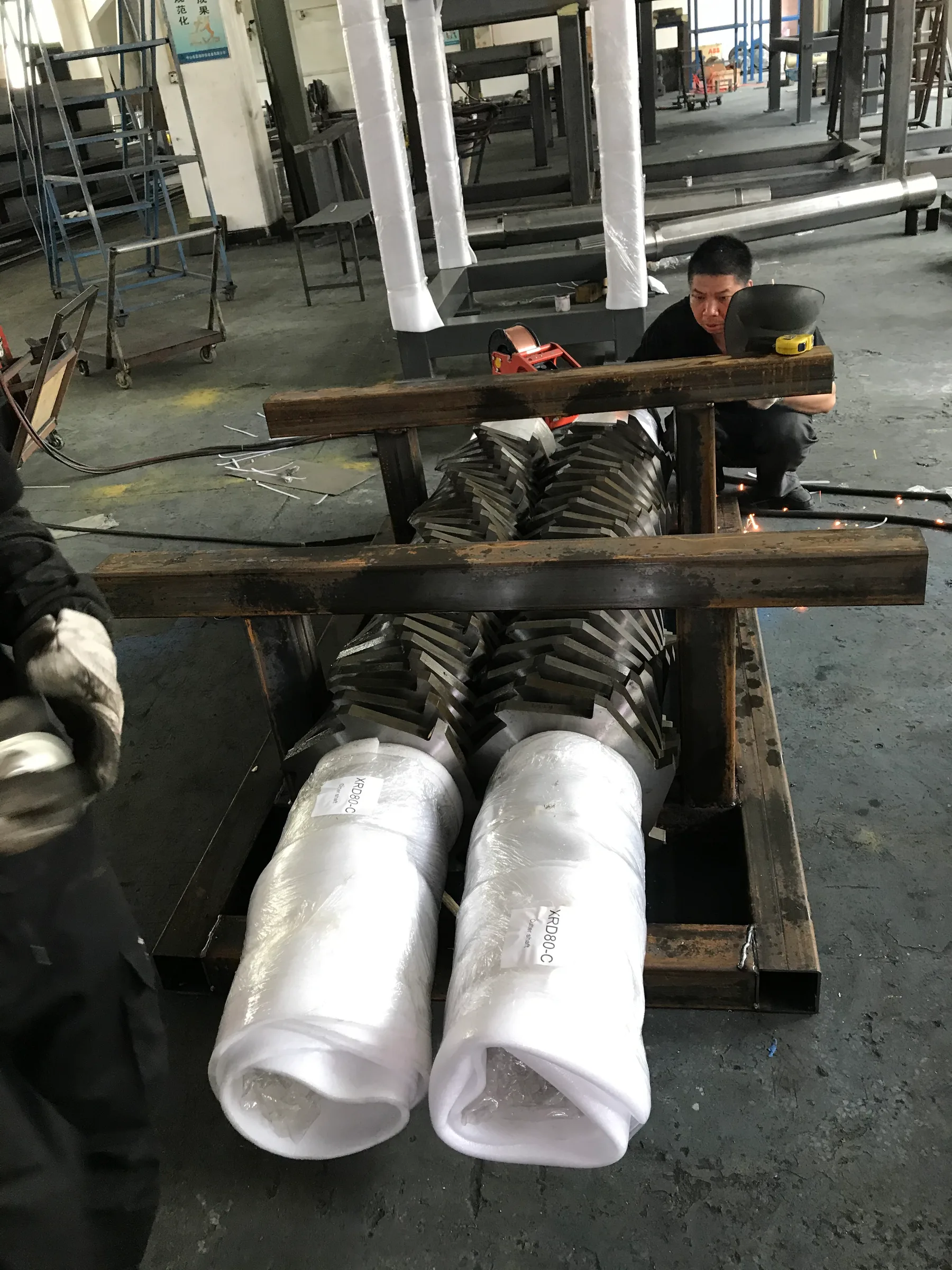
Choose an industrial shredder by matching the waste material, feed size, required capacity, output range and downstream process—not by comparing motor power or price alone.
What Is an Industrial Shredder?
An industrial shredder is a heavy-duty size-reduction machine used to break bulky or difficult waste into smaller, more manageable pieces. It can prepare material for sorting, recycling, transport, energy recovery or a downstream production process.
The correct machine is not selected by product name alone. Material composition, feed dimensions, hourly capacity, target output size and downstream equipment all influence the final configuration.
The best starting point is not “Which shredder is cheapest?” but “What must happen to the material after shredding?”
Start With the Waste Material
Material behavior determines how the shredder should grip, tear and discharge the feed. A machine selected for mixed bulky waste may require a different cutter arrangement from one intended for rigid plastic, tires or production scrap.
Send the supplier clear material photos, representative samples when possible, and the largest expected feed dimensions. Mention metals, stones, textiles, moisture or other contaminants that may affect the process.
- Primary material and approximate composition
- Largest feed size, shape and density
- Known contaminants or difficult inclusions
- Feeding method: manual, loader, grab or conveyor
- What happens to the material after shredding
Compare the Main Shredder Types
Single-shaft, two-shaft and four-shaft machines solve different problems. Buyers should compare the working principle and process role before comparing motor ratings or quotation totals.
| Machine type | Typical strength | Common project role |
|---|---|---|
| Single shaft | Controlled sizing with screen options | Plastic, wood and production scrap applications |
| Two shaft | High-torque tearing and strong material intake | Bulky, mixed and industrial waste pre-shredding |
| Four shaft | Multi-stage cutting in one chamber | Applications needing more controlled reduction |
For bulky and mixed waste, a two-shaft shredder is often evaluated as the primary reduction stage—but the material review still comes first.
Define Capacity and Output Size Correctly
Capacity should be expressed as a realistic hourly or shift target, together with material bulk density and feeding conditions. The same machine can process different tonnage when the material changes.
Output size is also a range rather than a guaranteed identical particle dimension. Explain whether the shredded material will enter a separator, granulator, baler, RDF line or another downstream process.
- Required average and peak throughput
- Operating hours per shift
- Target output range
- Acceptable oversize fraction
- Downstream process requirements
Review the Technical Configuration
A useful proposal should connect each major machine choice to the project requirements. Ask why the supplier selected the cutting chamber, shaft, cutter arrangement, drive architecture and control strategy.
For the XRD60, verified reference specifications include 74 kW installed power, a 620 × 1080 mm cutting chamber, a 42CrMo main shaft and PLC control. Project-dependent items are confirmed after reviewing the material and production target.
| Review item | Why it matters | Buyer question |
|---|---|---|
| Cutting chamber | Controls the feed opening and working area | Will my largest pieces enter safely? |
| Shaft and cutters | Influence grip, tearing behavior and wear | How is the cutter choice matched to my material? |
| Drive system | Supports torque and operating stability | Why is this motor and gearbox arrangement proposed? |
| Control system | Coordinates operation and protection logic | What PLC functions and line signals are included? |
Evaluate the Complete Process, Not Only the Shredder
The primary shredder may be only one stage in the line. Feeding, discharge conveying, separation, dust control and collection can determine whether the system works consistently in the buyer’s facility.
Ask the supplier to show the proposed material route from the loading point to the next process. Confirm equipment interfaces, available floor space, voltage and site limitations before finalizing the layout.
- Feeding and loading method
- Discharge conveyor height and direction
- Metal or material separation requirements
- Downstream machine interfaces
- Electrical standard and available voltage
- Installation and maintenance access
Understand Industrial Shredder Price Factors
Industrial shredder pricing depends on more than machine size. Cutter design, wear materials, drive components, electrical configuration, conveyors, separation equipment and project support can change the proposal scope.
Avoid comparing quotations until the included equipment and technical assumptions are aligned. A lower quotation may exclude essential line components or use a different performance basis.
Request a scope table showing what is included, what is optional and which values will be confirmed after material testing or technical review.
Industrial Shredder Supplier Checklist
A professional supplier should be able to explain the machine selection, identify unknown project variables and show relevant manufacturing evidence. Clear limits are more trustworthy than unsupported performance promises.
- Can the supplier explain why this shredder type fits the material?
- Are confirmed specifications separated from project-dependent values?
- Can the supplier show real factory, machine and component evidence?
- Does the proposal cover feeding and downstream interfaces?
- Are electrical, delivery and technical-document requirements discussed?
- Is there a clear contact person for commercial and technical questions?
Frequently Asked Questions
What information is needed for an industrial shredder quotation?+
Provide the waste material, photos or samples, largest feed size, required capacity, target output size, project country, voltage and downstream process.
Is a two-shaft shredder suitable for bulky waste?+
A two-shaft shredder is commonly evaluated for bulky and mixed waste because of its high-torque tearing action. Final suitability depends on the specific material and output requirement.
How should buyers compare industrial shredder prices?+
Compare quotations only after confirming the same material assumptions, machine configuration, included equipment, electrical scope and project-support requirements.
Can industrial shredder voltage be customized?+
Custom voltage can be discussed during project configuration. The final electrical specification should match the installation country and site requirements.
NEXT STEP
Turn the buying guide into a project discussion
Send XRD your material photos, required capacity and output-size target. We will respond with the next questions needed to evaluate the machine and process direction.
Discuss Your Project